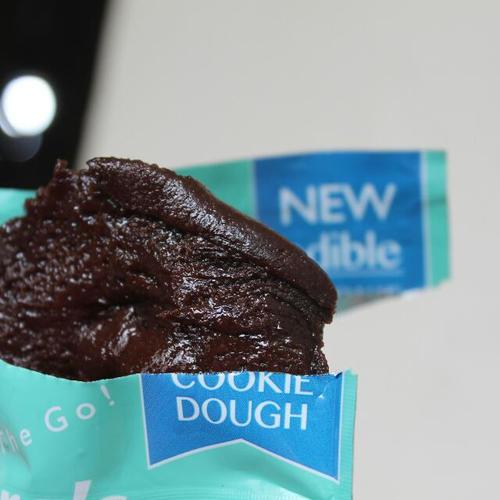
There’s a certain magic to cookie dough, isn't there? That moment when you’re whisking up a batch of your favorite chocolate chip cookies, and the irresistible urge to sneak a spoonful of that sweet, unbaked dough becomes almost unbearable. For decades, that little indulgence was tinged with a whisper of caution – raw eggs, raw flour… we all knew the drill. But what if we told you that in 2026, you can fully embrace that pure, unadulterated joy of cookie dough, completely safe and utterly delicious?
Welcome to the ultimate guide to safe edible cookie dough, a culinary revolution that redefines your dessert game. Forget the guilt, forget the worry, and prepare for pure, unadulterated bliss. This isn't just about satisfying a craving; it's about liberation! We’re talking about a meticulously crafted approach to edible cookie dough that guarantees safety, robust flavor, and that perfect, slightly chewy, melt-in-your-mouth texture that makes cookie dough so darn addictive. Leave behind those store-bought versions that often fall short of expectations. We're going to create something truly special, something that tastes exactly like the comforting, nostalgic cookie dough you’ve always loved, but without any of the inherent risks.
This 2026 guide is packed with everything you need to know, from the essential ingredient swaps and safety protocols to creative flavor variations that will elevate your snacking experience. So, buckle up, fellow dough enthusiasts, because your dessert life is about to get a whole lot sweeter and a whole lot safer.
The Raw Truth: Why Traditional Cookie Dough is a No-Go (and How We Fix It)
For years, the delicious allure of raw cookie dough was overshadowed by legitimate health concerns. The primary reasons traditional cookie dough is considered unsafe for raw consumption stem from two key ingredients: raw eggs and raw flour. Understanding these risks is the first step towards truly safe indulgence.
- Raw Eggs & Salmonella: The most commonly known culprit, raw eggs, can carry Salmonella bacteria. Consuming these bacteria can lead to foodborne illness, characterized by symptoms like fever, diarrhea, abdominal cramps, and vomiting. While the risk of a single egg containing Salmonella is relatively low, it’s a risk most people understandably prefer to avoid, especially when there are delicious alternatives.
- Raw Flour & E. coli: Perhaps less widely known, but equally important, is the danger posed by raw flour. Flour, being an agricultural product, comes directly from grain fields and is not treated to kill bacteria like E. coli that might be present in its raw state. These bacteria can be transferred to flour during harvesting or processing. Just like Salmonella, consuming E. coli can lead to severe foodborne illness, including kidney failure in some extreme cases. This is why you often see warnings against consuming raw flour in children’s play dough recipes or similar products.
These are valid concerns, and they are precisely why a truly edible cookie dough recipe takes a fundamentally different, yet simple, approach. The beauty of a well-crafted edible cookie dough recipe lies in its ingenious solutions to these potential pitfalls. We completely eliminate the risk of eggs by creating an egg-free edible cookie dough formulation, and we neutralize the threat from flour by subjecting it to a simple heat-treatment process. It’s a brilliant transformation that unlocks a world of guilt-free cookie dough deliciousness.
Think about it: the rich, buttery flavor, the satisfying chew, the sweet burst of chocolate chips – all the elements that make traditional cookie dough so beloved are present, but without the inherent risks. This recipe aims to replicate that authentic cookie dough experience, giving you the best of both worlds. My personal journey with developing this recipe started as a quest for a healthier, safer alternative to satisfy those late-night cravings. It’s a journey that has culminated in this robust and reliable method that I’m thrilled to share with you, ensuring you can eat raw dough safely with heat-treated flour.
Mastering the Art of Heat-Treating Flour: Your Safety Superpower
The secret weapon in your arsenal against harmful bacteria in raw flour is a simple process: heat-treating. This step is non-negotiable for safe edible cookie dough and surprisingly easy to do at home. By gently heating the flour, we effectively kill any potential E. coli or other bacteria, making it perfectly safe for raw consumption without altering its baking properties.
How to Heat-Treat Flour at Home:
There are two primary methods you can use:
- Oven Method (Recommended for Larger Batches):
- Preparation: Preheat your oven to 300°F (150°C). Spread the desired amount of all-purpose flour thinly and evenly on a baking sheet lined with parchment paper. A thin layer ensures even heating.
- Heating: Bake for 5-7 minutes. The goal is to reach an internal temperature of 160°F (71°C) to effectively kill bacteria. While you don't need a thermometer, keeping it thin and baking for this duration generally achieves it.
- Cooling: Remove from the oven and let the flour cool completely on the baking sheet at room temperature. This is crucial as warm flour can affect your cookie dough consistency.
- Storage: Once completely cool, transfer the heat-treated flour to an airtight container. It can be stored at room temperature like regular flour.
- Microwave Method (Great for Small, Quick Batches):
- Preparation: Place the flour in a microwave-safe bowl.
- Heating: Microwave on high power for 30-second intervals, stirring thoroughly after each interval. Continue until the flour reaches an internal temperature of 160°F (71°C). This usually takes 1-2 minutes in total, depending on your microwave's wattage and the amount of flour. Be careful not to scorch it.
- Cooling: Let the flour cool completely before using. You can spread it out on a plate to speed up the process.
Essential Tips for Heat-Treating Flour:
- Even Heating is Key: Whether using the oven or microwave, ensure the flour is spread thinly and stirred regularly to heat uniformly.
- Cool Completely: Do not skip the cooling step! Hot or warm flour will melt your butter and ruin the texture of your dough.
- Sift (Optional but Recommended): After cooling, you might notice the flour is a little clumpy. Sifting it through a fine-mesh sieve will ensure a smooth, lump-free dough.
- Prepare in Advance: You can heat-treat a larger batch of flour and store it in an airtight container for future edible cookie dough cravings. Label it clearly so you don't mix it up with untreated flour for baking!
By taking this simple, extra step, you empower yourself to enjoy delicious edible cookie dough with absolute peace of mind.
Crafting Your Perfect Edible Cookie Dough: Beyond the Basics
Once your flour is safely heat-treated, the real fun begins: transforming simple ingredients into a decadent, irresistible bowl of edible cookie dough. The magic lies in the careful balance of flavors and textures, mimicking traditional cookie dough without the need for eggs.
Core Ingredients for the Ultimate Edible Cookie Dough:
- Unsalted Butter (Softened): This forms the rich, creamy base. Using softened butter is crucial for creaming properly with sugar. For a dairy-free version, use a high-quality plant-based butter alternative.
- Granulated Sugar & Brown Sugar: A blend of both sugars provides the perfect balance of sweetness and chewiness. Granulated sugar offers crispness, while brown sugar adds moisture, depth of flavor (molasses), and that characteristic chew.
- Vanilla Extract: Essential for that warm, classic cookie flavor. Don't skimp on good quality vanilla!
- Salt: A pinch of salt balances the sweetness and enhances all the other flavors.
- Heat-Treated All-Purpose Flour: Your superhero ingredient, as discussed above.
- Milk (or Cream/Dairy-Free Alternative): Since we're omitting eggs, a splash of milk or cream helps bind the dough and achieve the desired moist, pliable consistency. Start with a small amount and add more gradually as needed.
- Your Favorite Mix-Ins: This is where you personalize your dough!
The Method to the Doughy Madness:
- Cream Butter & Sugars: In a large mixing bowl, using an electric mixer (handheld or stand mixer), cream together the softened butter, granulated sugar, and brown sugar until light and fluffy. This usually takes 2-3 minutes. This step incorporates air, making the dough light and smooth.
- Add Vanilla & Salt: Beat in the vanilla extract and salt until just combined.
- Gradually Incorporate Flour: With the mixer on low speed, slowly add the heat-treated flour to the wet ingredients, mixing until just combined and no streaks of flour remain. Be careful not to overmix, which can make the dough tough.
- Achieve Perfect Consistency with Milk: Now, add the milk (or cream) one tablespoon at a time, mixing until the dough comes together and reaches your desired consistency. You want it moist and pliable, not too crumbly and not too sticky. The amount of milk can vary slightly depending on your butter's moisture content and how packed your flour was.
- Fold in Mix-Ins: Finally, gently fold in your chosen mix-ins with a spatula until evenly distributed throughout the dough.
Texture & Consistency Tips:
- Don't Overmix: Overmixing develops the gluten in the flour, even heat-treated flour, which can lead to a tougher dough. Mix only until ingredients are just combined.
- Adjust Liquid Gradually: The amount of milk needed can vary. Always add it slowly, one tablespoon at a time, until the dough reaches that ideal soft, scoopable, yet firm consistency.
- Chilling for Firmness: If you prefer a firmer, more scoopable dough (especially good for rolling into balls), chill it in the refrigerator for at least 30 minutes before serving.
Creative Flavor Variations:
While classic chocolate chip is always a winner, the world of edible cookie dough is ripe for experimentation! Here are some ideas:
- Peanut Butter Bliss: Reduce butter slightly and add 1/2 cup of creamy peanut butter to the creaming stage. Fold in mini peanut butter cups or chocolate chips.
- Oatmeal Raisin (Safe Style): Add 1/2 cup of old-fashioned oats and 1/4 cup of softened (or rehydrated) raisins. A dash of cinnamon is a must!
- Red Velvet Dream: Add 1-2 tablespoons of unsweetened cocoa powder and a teaspoon of red food coloring (gel works best) to the dough. Fold in white chocolate chips.
- Sugar Cookie Delight: Omit brown sugar, use all granulated sugar, and add a touch of almond extract. Fold in colorful sprinkles.
- S'mores Indulgence: Fold in mini marshmallows, chocolate chunks, and crushed graham crackers.
- Birthday Cake Batter: Add a teaspoon of almond extract along with the vanilla, and fold in generous amounts of sprinkles and white chocolate chips.
Experimentation is key! You can truly make this egg-free edible cookie dough your own culinary masterpiece.
Storing Your Sweet Indulgence & Creative Serving Ideas
One of the best things about homemade edible cookie dough is its versatility, both in storage and serving. Whether you devour it immediately or save it for later, it’s designed for convenience.
Optimal Storage for Freshness:
- Refrigerator: Transfer your prepared edible cookie dough to an airtight container. It will stay fresh and delicious in the refrigerator for up to 1-2 weeks. This extended shelf life makes it perfect for satisfying spontaneous cravings.
- Freezer: For longer storage, you can freeze edible cookie dough.
- Portioned Balls: Roll the dough into individual balls, place them on a parchment-lined baking sheet, and freeze until solid. Once frozen, transfer the balls to a freezer-safe bag or container. This makes it easy to grab a single serving whenever desired.
- Bulk: You can also freeze the entire batch in an airtight container.
Frozen edible cookie dough can last for up to 2-3 months. When ready to enjoy, simply let it thaw in the refrigerator for a few hours or at room temperature for about 30 minutes until scoopable.
Beyond the Spoon: Creative Serving Ideas:
While eating it straight from the bowl is a time-honored tradition, edible cookie dough can be so much more! Here are some imaginative ways to enjoy your creation:
- Ice Cream Topping: Crumble or scoop chunks of dough over your favorite ice cream flavor for an instant upgrade.
- Milkshake Magic: Blend a scoop or two into a vanilla or chocolate milkshake for a thick, indulgent treat.
- Parfait Layers: Layer your cookie dough with whipped cream, fresh fruit, and perhaps some crushed cookies for a stunning dessert parfait.
- Brownie or Cupcake Stuffing: Scoop small amounts of dough into the center of unbaked brownies or cupcakes before baking for a delightful surprise filling.
- Chocolate-Dipped Truffles: Roll the dough into small balls, chill them thoroughly, then dip them in melted chocolate and let them set.
- Fruit Dip: Serve alongside apple slices, banana chunks, or pretzels for a fun snack board.
- Cookie Dough Sandwiches: Press a thin layer of dough between two wafers or graham crackers.
The possibilities are endless! Let your imagination run wild and discover new ways to integrate this safe, delicious treat into your dessert repertoire.
Conclusion
The quest for safe, delicious raw cookie dough has officially ended. With this ultimate 2026 guide, you now possess all the knowledge and techniques to create your own batches of worry-free edible cookie dough. By understanding the risks of traditional raw ingredients and implementing simple solutions like heat-treating flour and omitting raw eggs, you unlock a world of guilt-free indulgence.
No more whispers of caution, no more sneaking spoonfuls with a hint of anxiety. It's time to fully embrace the pure, unadulterated joy of this beloved treat. Whether you're a classic chocolate chip purist or an adventurous flavor explorer, this guide empowers you to craft the perfect batch, store it effectively, and serve it in countless creative ways. So go ahead, grab your mixing bowl, and redefine your dessert experience. Your journey into the delightful, safe world of edible cookie dough starts now!
