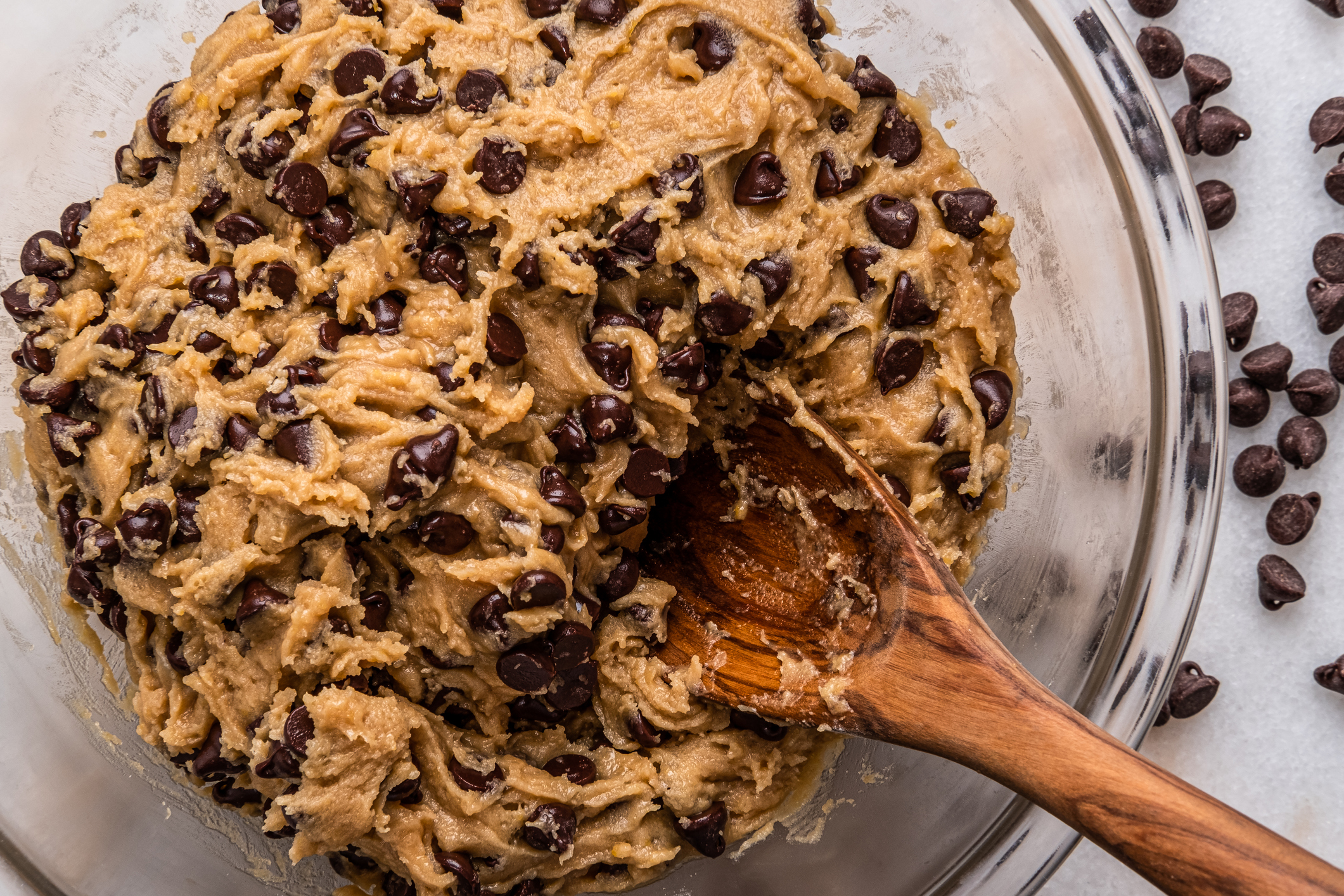
Unlocking the Sweet Secret: The Safety Behind Edible Cookie Dough
There’s a universal craving that transcends age and culture: the irresistible allure of raw cookie dough. For generations, the tempting swirl of chocolate chips in a buttery batter has whispered promises of pure delight, only to be met with a cautionary tale. The warnings about raw eggs and untreated flour were valid, casting a shadow of guilt over every forbidden spoonful. But what if we told you that the future of sweet snacking is here, and it involves indulging in the creamy, dreamy goodness of edible cookie dough, completely worry-free? Welcome to a world where that nostalgic, comforting taste is not just a dream, but a safe and utterly delicious reality.
The journey to truly safe edible cookie dough has been nothing short of a culinary revelation. It’s about taking that beloved, classic flavor profile and meticulously crafting it for safety, ensuring every bite delivers pure bliss without the inherent risks of traditional raw ingredients. Gone are the days of store-bought versions that often miss the mark; we're talking about homemade perfection that tastes exactly like the cookie dough you remember, but is entirely safe to enjoy straight from the bowl. This comprehensive guide will explore the science and simple techniques that make this possible, empowering you to redefine your dessert game.
Why Traditional Raw Cookie Dough Poses Risks
Before we dive into the solutions, it's crucial to understand why traditional raw cookie dough has always been off-limits. The primary concerns revolve around two common ingredients, each carrying its own set of potential hazards:
- Raw Eggs and Salmonella: This is perhaps the most widely known risk. Uncooked eggs can harbor Salmonella enteritidis, a bacterium that can cause foodborne illness. Symptoms of salmonellosis include fever, abdominal cramps, diarrhea, nausea, and sometimes vomiting. While the risk of a single egg being contaminated might seem low, the consequences can be severe, especially for vulnerable populations like young children, the elderly, and those with compromised immune systems. Traditional recipes rely on eggs for structure and moisture, but in the context of raw consumption, they are a significant gamble.
- Raw Flour and E. coli: Less commonly understood, but equally important, is the danger posed by raw flour. Flour is an agricultural product, derived from grains grown in fields, and it hasn't undergone any treatment to kill potential bacteria. It can come into contact with animal waste in the field or become contaminated during processing, making it a potential carrier of harmful bacteria like Shiga toxin-producing E. coli (STEC). Ingesting STEC can lead to severe abdominal cramps, bloody diarrhea, and vomiting. In extreme cases, it can cause hemolytic uremic syndrome (HUS), a type of kidney failure. Unlike raw eggs, which have visible shell imperfections or an odd smell as a potential (though unreliable) indicator, contaminated flour looks and smells perfectly normal. This makes heat treatment absolutely essential for any flour intended for raw consumption.
These are not merely theoretical concerns; numerous outbreaks of foodborne illness have been linked to raw flour and raw eggs in unbaked goods. This understanding forms the foundation for why a truly safe edible cookie dough recipe takes a fundamentally different, and safer, approach.
The Game-Changer: How Heat-Treated Flour Makes Edible Cookie Dough Safe
The most significant innovation in making edible cookie dough safe is the simple yet brilliant act of heat-treating the flour. This process effectively neutralizes any harmful bacteria, like E. coli, that might be present, rendering the flour safe for raw consumption. It's a quick and easy step that makes all the difference.
Methods for Heat-Treating Flour:
- Oven Method: This is arguably the most reliable method for ensuring uniform heat distribution.
- Preheat your oven to 300°F (150°C).
- Spread the desired amount of all-purpose flour thinly and evenly on a baking sheet lined with parchment paper.
- Bake for 5-7 minutes. The goal is to bring the flour's internal temperature to 160°F (71°C) to kill bacteria.
- Stir the flour halfway through to ensure even heating.
- Allow the flour to cool completely before using it in your edible cookie dough recipe. Cooling is essential, as hot flour will melt your butter and create a greasy mess.
- Microwave Method: A quicker alternative for smaller batches.
- Place the flour in a microwave-safe bowl.
- Microwave on high for 30-second intervals, stirring thoroughly after each interval.
- Continue until the flour reaches an internal temperature of 160°F (71°C), typically taking 1-2 minutes for a cup of flour. Be careful not to burn it.
- Again, let the flour cool completely before adding it to your other ingredients.
Once cooled, your heat-treated flour is ready to be incorporated into your egg-free edible cookie dough, providing the texture and body you expect without any health concerns.
Beyond Flour: Addressing the Egg Factor in Edible Cookie Dough
While heat-treating flour tackles one major risk, the other common culprit – raw eggs – also needs to be addressed. The beauty of most modern edible cookie dough recipes is their ingenious solution: simply omitting eggs entirely. Eggs in traditional cookie recipes primarily serve as binders, leavening agents, and moisture providers. In an edible dough intended for raw consumption, these functions can be replicated or simply aren't necessary in the same way.
- Egg-Free by Design: The vast majority of safe edible cookie dough recipes are completely egg-free. Ingredients like butter, sugar, vanilla extract, milk (dairy or non-dairy), and the heat-treated flour create a wonderfully rich, creamy, and satisfying texture on their own. The dough holds together beautifully, tastes incredible, and eliminates the Salmonella risk entirely. This is why you'll often see "egg-free" highlighted as a key safety feature.
- Pasteurized Eggs (An Alternative, But Less Common): For those who absolutely desire the specific texture or richness that eggs can provide, pasteurized eggs are an option. Pasteurized eggs have been heated to a temperature that kills harmful bacteria like Salmonella without fully cooking the egg. However, they are generally not needed for the vast majority of delicious edible cookie dough recipes, which thrive on their egg-free formulation.
By combining heat-treated flour with an egg-free base, we achieve the perfect blend of authentic cookie dough flavor and paramount food safety. It’s a simple transformation that unlocks a world of guilt-free indulgence.
Crafting Your Own Safe and Delicious Edible Cookie Dough
Making your own edible cookie dough is surprisingly straightforward and incredibly rewarding. Here’s a general overview of the process and some practical tips:
- Gather Your Ingredients: Start with high-quality unsalted butter, granulated sugar, brown sugar, vanilla extract, milk (any kind works!), a pinch of salt, and of course, your pre-heat-treated and cooled all-purpose flour. Don't forget your favorite mix-ins like chocolate chips, sprinkles, or nuts.
- Cream the Wet Ingredients: In a mixing bowl, cream together the softened butter, granulated sugar, and brown sugar until light and fluffy. This step incorporates air, contributing to a pleasing texture.
- Add Liquids and Flavor: Beat in the vanilla extract and milk until well combined. The milk provides the necessary moisture and helps achieve that classic dough consistency without eggs.
- Incorporate Dry Ingredients: Gradually add your cooled, heat-treated flour and salt to the wet mixture, mixing until just combined. Be careful not to overmix, as this can develop the gluten in the flour and make the dough tough.
- Fold in Mix-ins: Gently fold in your chosen mix-ins. This is where you can truly personalize your edible cookie dough.
- Storage: Store your homemade edible cookie dough in an airtight container in the refrigerator for up to a week, or in the freezer for up to a month. Bring it to room temperature for about 15-20 minutes before serving for the best texture.
Unlocking a World of Flavor: Tips for Your Edible Cookie Dough
The beauty of edible cookie dough extends far beyond the classic chocolate chip. Here are some ideas to elevate your creation:
- Chocolate Chip Classic: Use mini chocolate chips for better distribution in every bite.
- Peanut Butter Bliss: Add a few tablespoons of creamy peanut butter to the wet ingredients.
- Funfetti Delight: Fold in plenty of colorful sprinkles for a festive treat.
- Oatmeal Raisin Twist: Incorporate old-fashioned oats (no need to heat-treat these if they are certified gluten-free or processed for direct consumption) and plump raisins for a chewy texture.
- Double Chocolate Dream: Add cocoa powder to your dry ingredients and use both dark and milk chocolate chips.
- Spices and Extracts: Experiment with cinnamon, nutmeg, almond extract, or peppermint extract to create seasonal or unique flavors.
The possibilities are endless, allowing you to tailor your edible cookie dough to any craving or occasion. Just remember, any dry additions (like nuts or sprinkles) are generally safe, but if you're ever in doubt about a specific ingredient, a quick search for food safety guidelines is always recommended.
Conclusion: Indulge Without the Guilt
The days of wistfully eyeing raw cookie dough are over. Thanks to simple, effective techniques like heat-treating flour and omitting raw eggs, the joy of eating cookie dough straight from the bowl is now a safe and accessible pleasure. This isn't just about satisfying a sweet tooth; it's about culinary liberation, allowing you to embrace a nostalgic treat without a whisper of worry. So, go ahead, gather your ingredients, follow these simple steps, and prepare to embark on a delicious, guilt-free journey into the world of truly safe and sensational edible cookie dough. Your dessert life is about to get a whole lot sweeter and a whole lot safer.
